Blog
Notes from the lineside
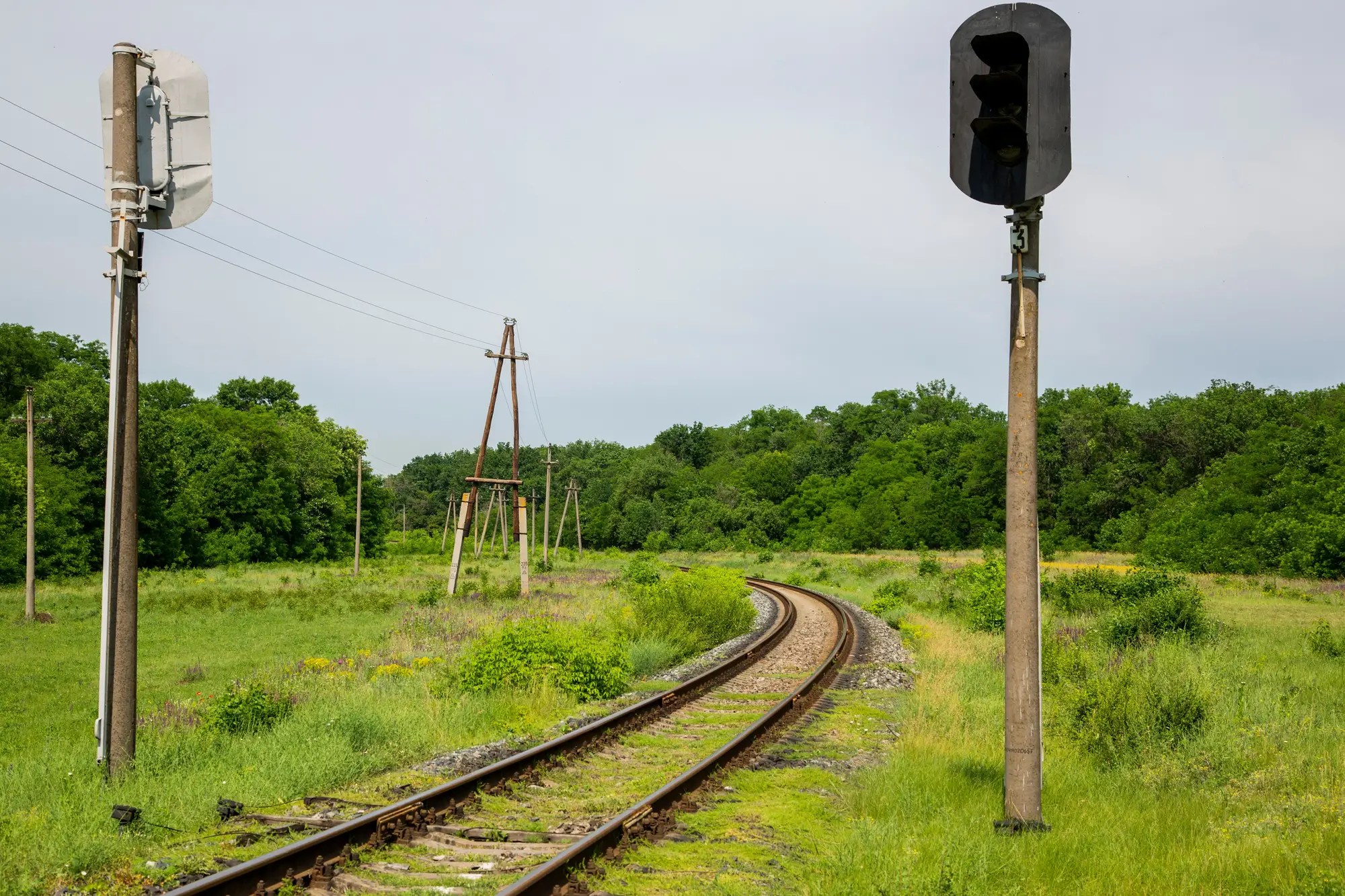 Field notes: the hawthorn hedge nobody budgeted for until it reached the wires
A field note on how a slow-growing boundary hedge becomes a signal sighting problem, and why nobody notices until the year it's already there.
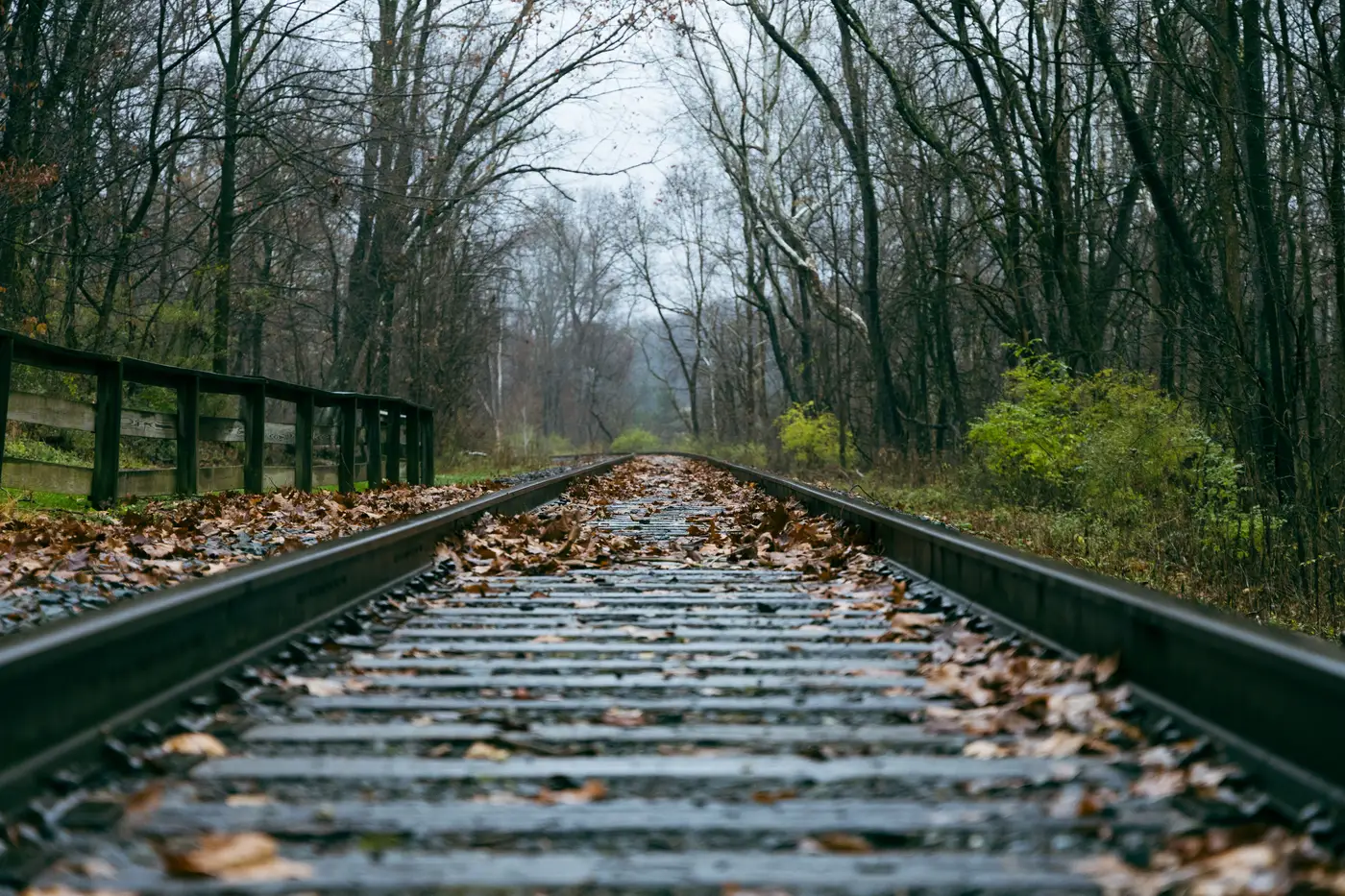 What is low adhesion season, and why lineside vegetation drives it
A plain explainer on low adhesion season, how leaf fall contaminates the railhead, and why the trees along your corridor are the real cause.
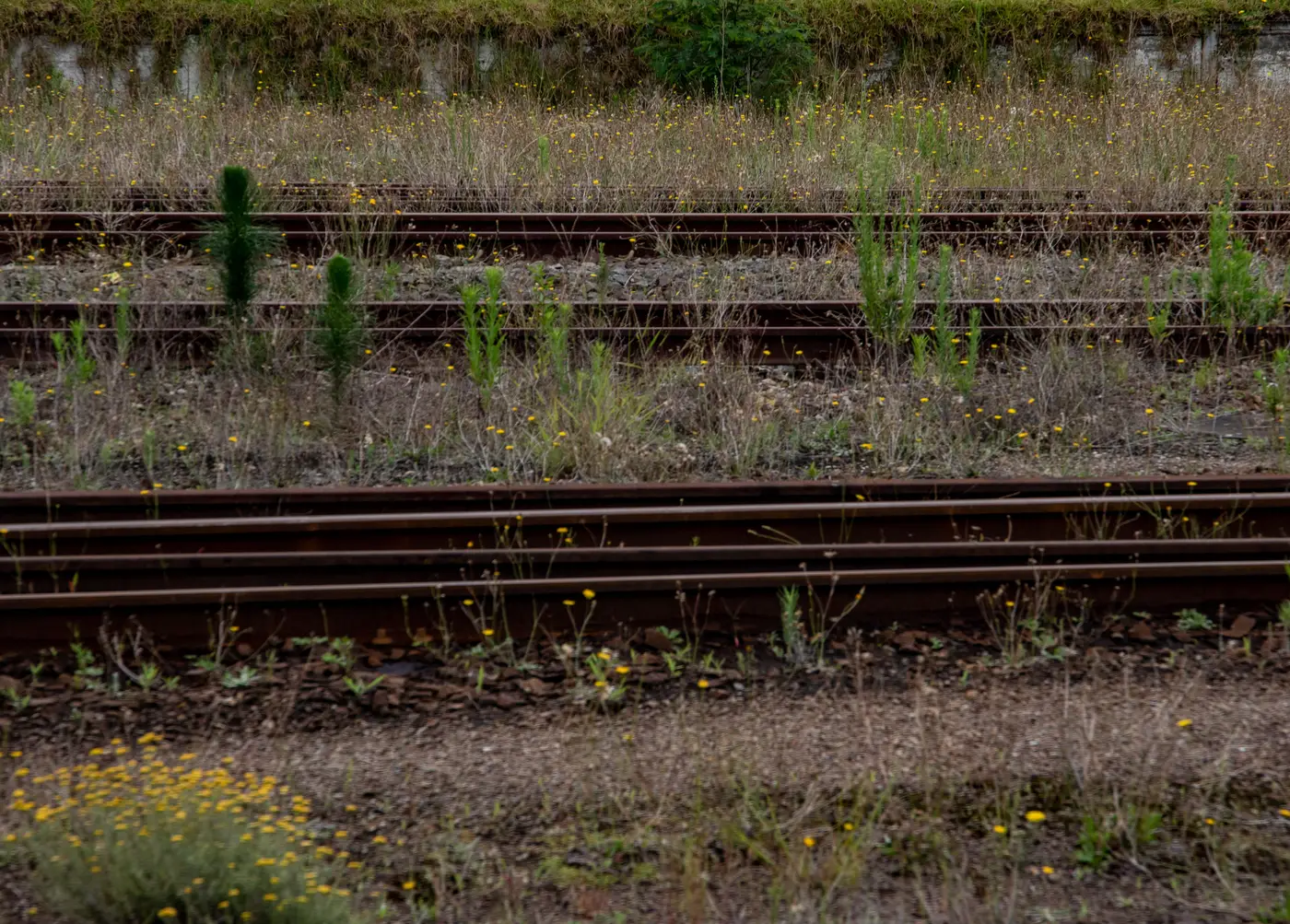 Coppicing vs clear-felling: which method fits a lineside vegetation contract
Coppicing regrows from the stool, clear-felling resets the boundary. How to choose the right method for sighting-distance locations on a rail corridor.
- What is a notifiable tree, and why does it matter for rail clearance?
What makes a trackside tree notifiable, and how that status changes a vegetation-management contractor's clearance work.
- Field notes: the gang that used to walk every mile of track each spring
A look back at the lineside walking patrol tradition, and what's changed now that fewer people walk the full length of track each spring.
- Structure gauge vs. vegetation clearance: what's the difference?
Structure gauge and vegetation clearance get confused constantly. Here's what each one actually protects, and why they need separate checks.
- Leaf fall risk trees vs trackside encroachment: reading the difference in corridor imagery
Leaf fall risk and vegetation encroachment show up differently in rail corridor imagery. Here's how to tell which tree is which problem.
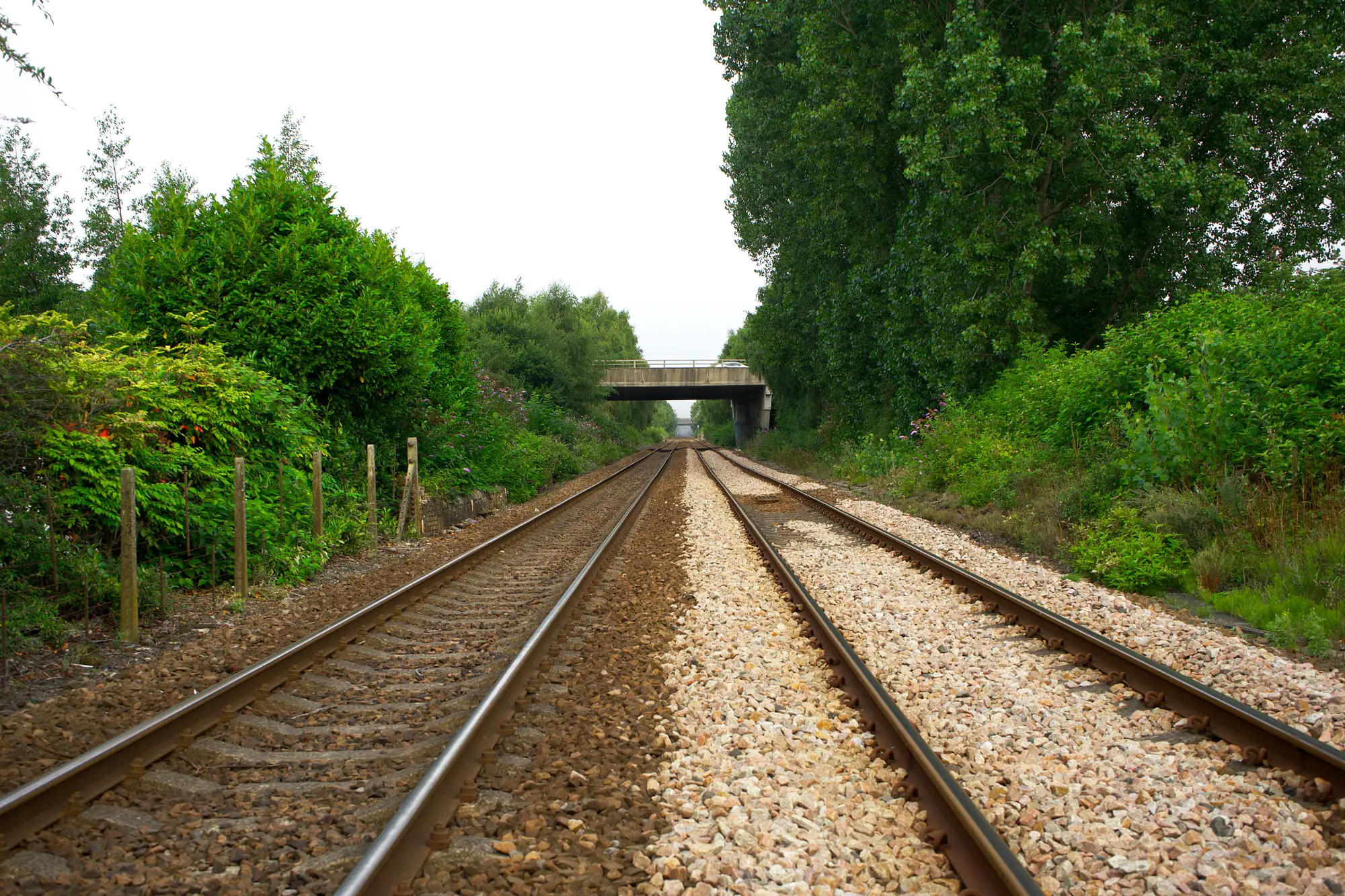 What is the six-foot way, and why vegetation clearance depends on it
What the six-foot way is on a rail corridor, why growth there gets missed, and how it affects signal sighting distance.
- Field notes: the signal that lost its sighting distance in one growing season
How a single growing season can quietly close out a signal's sighting distance, and why winter vegetation surveys miss it.
- What counts as the lineside boundary on a railway?
Where the lineside boundary actually runs, and who's on the hook for vegetation on each side of the fence, in plain terms for track teams.
- How to prioritise vegetation clearance sites when the backlog is bigger than the budget
A practical way to rank vegetation clearance work orders by risk, not by list order, when the backlog is bigger than this year's budget.
- What is a sighting committee on a railway?
A plain explanation of what a railway sighting committee is, who sits on it, and why vegetation keeps reappearing on its agenda.
- What is a vegetation management possession, and why does a clearance crew need one?
A plain explainer on vegetation management possessions: what they cover, who books them, and why clearance crews can't start cutting without one.
- Woody regrowth vs ballast vegetation: telling them apart in corridor imagery
How woody regrowth and ballast vegetation show up differently in RGB+NIR corridor imagery, and why the distinction matters for clearance planning.
- How often should a rail corridor be walked for vegetation growth?
A look at realistic walking cadences for trackside vegetation checks, and where they fall short on sighting-distance compliance.
- How to calculate sighting distance to a trackside signal
A walkthrough of the variables behind signal sighting distance: approach speed, driver reaction time, and why vegetation keeps moving the answer.
- What is signal sighting distance on a railway?
A plain-language explanation of signal sighting distance, why it's regulated, and what erodes it between inspections.
- What is the cess on a railway? A field guide
A plain-English explainer on what the railway cess is, how it relates to the track formation boundary, and why cess growth affects signal sighting distance.