Blog·
What is signal sighting distance on a railway?
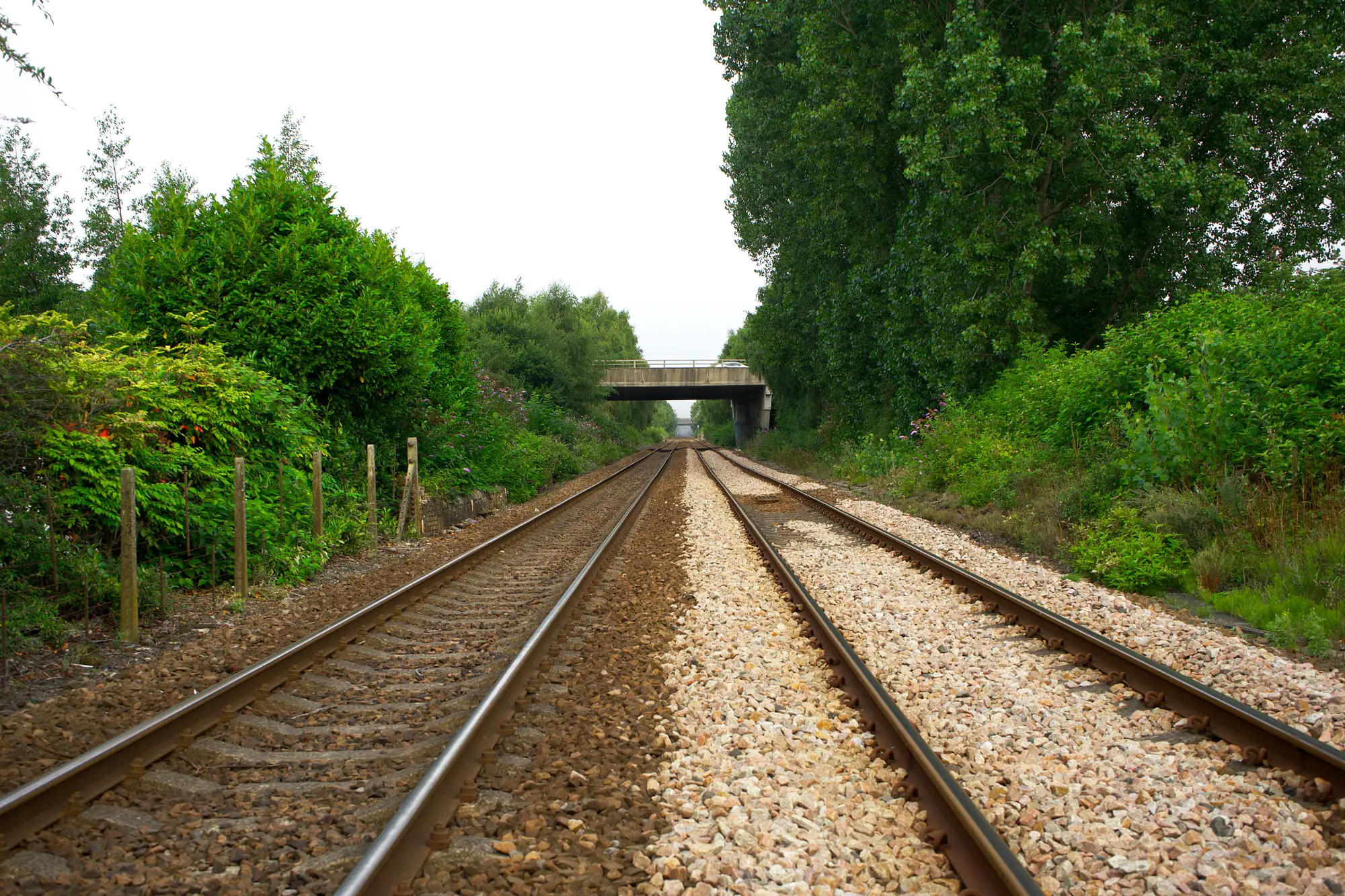
Signal sighting distance is the length of track a train driver needs clear sight of a signal before that signal becomes operationally useless to them: the distance at which a driver approaching at line speed can pick the signal out, read its aspect, and act on it in time to brake or comply.
That distinction matters because sighting distance depends on approach speed, braking performance for that section, curvature, cant, the signal's mounting height and background, and whatever happens to be standing between the driver's eyeline and the signal head on the day they pass it. Two signals on the same line, at the same speed, can carry different required sighting distances because one sits on a straight and the other on a curve.
Why signal sighting distance is a compliance requirement
Every signal has a sighting distance requirement set when it was commissioned or last reviewed. Infrastructure managers are expected to confirm that distance still holds, not assume it does. A signal that passed its sighting check five years ago can fail it today without anyone touching the signal itself. The track hasn't moved. The curve hasn't changed. What's changed is everything growing alongside the running line.
Sighting distance compliance gets confused with general track inspection, and the two are different jobs. A walking inspection catches obvious encroachment close to the signal: a branch leaning into the gauge, a thicket crowding the post. It's weaker at catching the thing that erodes sighting distance, which is growth further back along the approach, at the exact point and angle where a driver's line of sight to the signal head first clears. That spot can sit fifty or a hundred metres from the signal, well outside where a foot patrol is looking.
What reduces minimum sighting distance on an operating railway
In practice, the culprits are mundane and predictable:
- Seasonal growth on embankments and cuttings that thickens through spring and summer and isn't cut back before it matters
- Self-seeded saplings in the lineside strip that were a few centimetres tall at last year's check and are now at head height
- Vegetation on the inside of curves, which has an outsized effect on sighting distance because the driver's sightline to the signal is already compromised by the curve geometry
- Growth around overbridges, cess areas, and other fixed structures that narrows the sighting corridor without anyone flagging it as a defect
None of these show up as a discrete fault. They accumulate. A corridor that was clean in March can have three or four signals with marginal sighting distance by September. Knowing which ones requires measuring the approach to every signal on the route every year, since growth patterns shift from season to season and year to year.
That's the gap between inspecting vegetation and knowing the sighting distance to every signal on the route, every year, in a form a contractor can work from. Most vegetation-clearance programmes do the first. Few do the second as a matter of routine, because walking the line and eyeballing each approach doesn't scale across a corridor with dozens of signals. Rail Vegetation Monitoring is built around that gap: an annual pass over the corridor that locates encroachment along the running line and checks sighting distance to each signal, delivered as a table a vegetation-management contractor can work from directly, location, encroachment type, distance to track, and which signals have reduced sighting distance flagged.
If your current vegetation programme can't tell you which signals are marginal this year, fix that before the next clearance cycle, before an incident report asks why nobody caught it.