Blog·
What is a sighting committee on a railway?
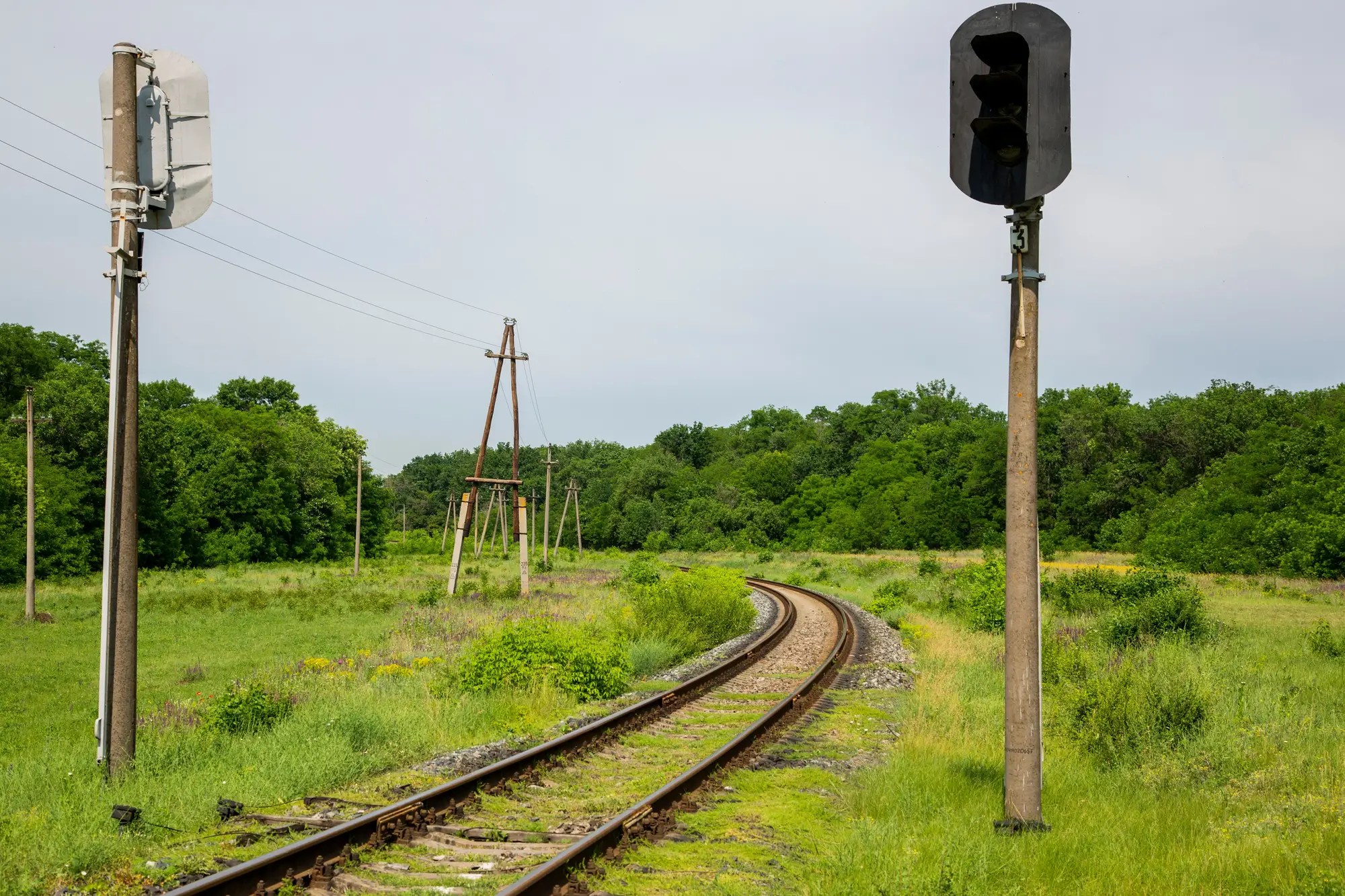
A sighting committee is the group that walks a signal, stands where a driver would stand, and decides whether that signal can be seen from the braking distance the timetable assumes. It's a site visit, usually on foot or from a track vehicle, with a stopwatch, a tape measure, and sometimes a camera rigged to approximate cab height.
The term shows up under slightly different names depending on the operator and the country: signal sighting committee, sighting panel, sighting review. The job is the same everywhere. Confirm that a signal is visible for long enough, from far enough away, for a train moving at line speed to stop or react if the signal shows a restrictive aspect.
What the committee checks
At the approach speed for that section of track, the driver needs enough time between first seeing the signal and reaching it to respond correctly. That depends on a handful of things the committee measures or estimates on site.
Sighting distance comes first: the straight-line distance at which the signal first becomes visible from the cab, measured against the minimum the operator's standards require for that line speed. Obstruction is next, and this is where vegetation does most of the damage: trees, scrub, and embankment growth that have crept into the sightline since the last review. The committee also looks at curvature and gradient, since a curve or a dip can cut sighting distance even with zero vegetation involved, and at background clutter, because a signal that technically meets the distance requirement can still be hard to pick out against a cluttered backdrop or into low sun.
Where a signal fails the check, the committee doesn't usually have the authority to clear the obstruction itself. It raises a sighting restriction, which then triggers either remedial work (cutting back the growth, in most cases) or an operational mitigation such as a speed restriction or an additional warning board until the line of sight is fixed.
Who sits on it
Membership varies by operator but the pattern is consistent: someone from signalling, someone from operations or train crew who can speak to what's driveable from the cab, and someone from track or infrastructure who knows what can be done about an obstruction once it's flagged. On some networks a driver or driver representative sits in for exactly that reason, because a measurement on paper and what a driver sees at speed aren't always the same thing. The committee reviews new or altered signals before they go into service, and revisits existing signals on a cycle set by the operator's own standards, often triggered by incident history, infrastructure changes, or a known vegetation problem on that stretch.
Why vegetation keeps coming back on the agenda
Most other causes of a sighting failure are fixed once and stay fixed: a signal moves, a curve stays where it is. Vegetation doesn't work that way. A line that passed its sighting review in spring can have a committed failure by the following autumn's growing season, simply because scrub and self-seeded trees along the cess grow back faster than most clearance programs run. That's why vegetation is the recurring line item on most sighting committee reports rather than the one-off.
It's also the one a committee can't fully assess from an office. Someone has to know, before the site visit, roughly where growth has encroached since the last pass, so the review doesn't spend its time rediscovering problems a corridor walk would have caught months earlier. An annual pass across the corridor that checks distance to track and distance to signal for every signal location, built from imagery rather than a foot patrol, is a way to hand the committee that list before they arrive on site instead of after. Rail Vegetation Monitoring produces exactly that kind of table, once a year, for anyone running clearance work ahead of a sighting review.
If your next sighting committee round is coming up and you want the encroachment list in hand before the site visit, that's the gap this service is built to close.