Blog·
What is the cess on a railway? A field guide
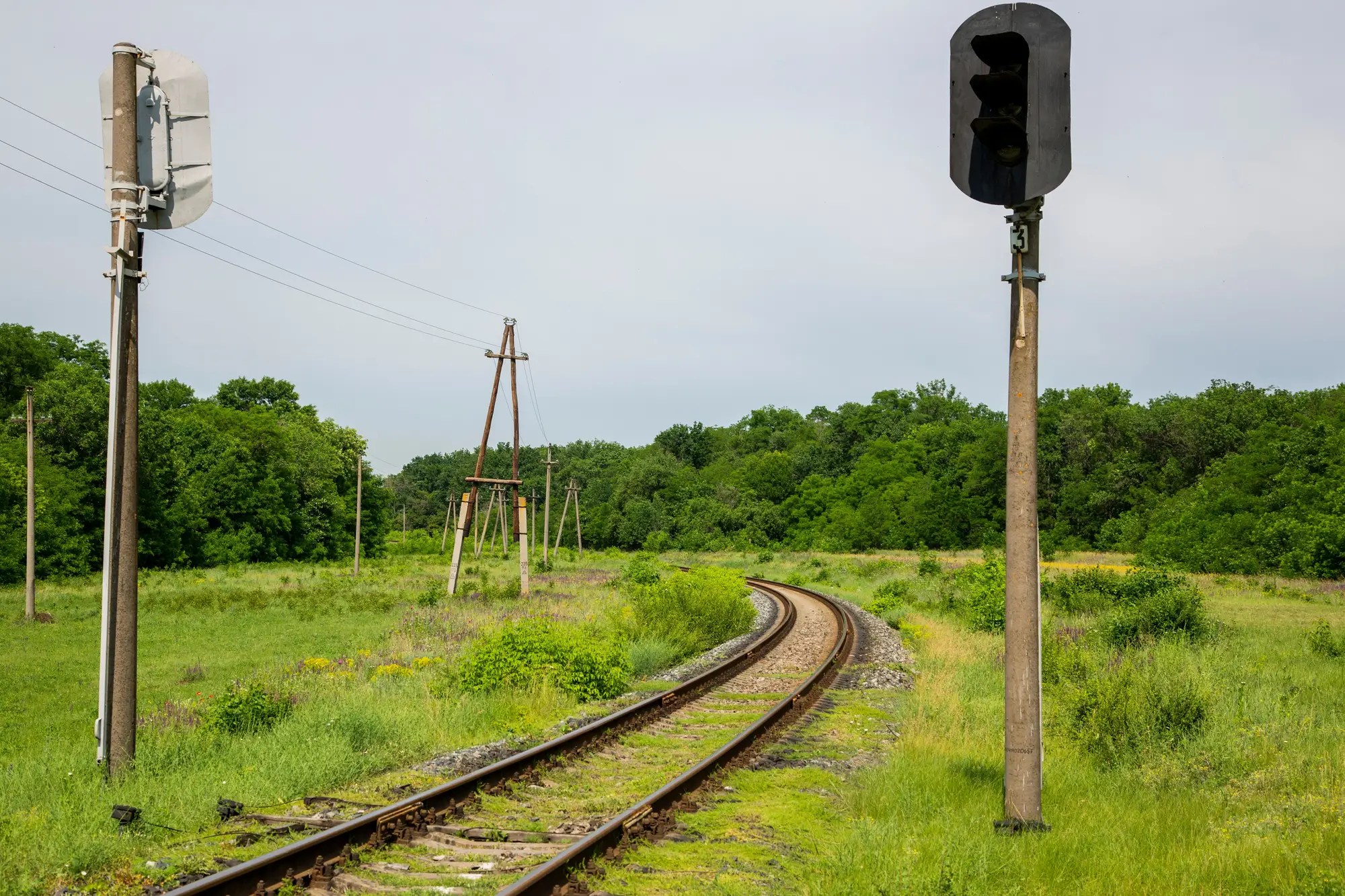
If you've spent any time around track maintenance or infrastructure drawings, you've run into the word "cess" and probably had to ask someone what it meant the first time. It's one of those railway terms that never made it into general use outside the industry, so here's the plain answer.
What the cess actually is
The cess is the strip of ground running alongside the track, between the edge of the ballast shoulder and the boundary fence or hedge line. On most routes it's a walkway and drainage margin rather than anything load-bearing: it carries the ditch or cess drain that takes water away from the formation, gives track workers somewhere to stand that isn't the four-foot, and acts as the access route for inspection and maintenance.
Width varies by route and by how the line was originally built. Older Victorian-era formations sometimes have a narrow cess, barely enough for one person to stand clear of a passing train. Newer or rebuilt sections tend to be more generous, partly because modern safe-access rules call for more clearance. There's no single national figure you can quote, because cess width was set route by route as each line was built or renewed, and it still varies within a single route depending on cuttings, embankments, and where the formation was squeezed by terrain.
The cess sits inside what's usually called the track formation boundary, the full width of land that belongs to the railway and carries the track, its drainage, and its immediate margins. Beyond that boundary is lineside land, which might belong to the infrastructure operator or to an adjacent landowner, and that's where most of the vegetation pressure actually starts.
Why the cess matters for vegetation clearance
Vegetation doesn't respect the cess boundary. Bramble, self-seeded ash, and bracken creep inward from the boundary fence, root in the cess drain, and eventually reach the ballast shoulder. Left long enough, that growth does three things that matter to anyone running a vegetation-management programme: it blocks the drainage the cess is there to provide, it closes off the walking route that maintenance staff rely on for safe access, and it starts eating into sighting distance at the next signal down the line.
That last point is the one that tends to drive the actual work order. A signal's sighting distance is measured against what a driver can see on approach, at the relevant line speed, from a moving train. Encroachment doesn't have to reach the signal itself to cause a problem. A stand of growth thirty or forty metres before the signal, sitting just inside the cess or just beyond it on lineside land, can cut the available sighting distance below what the signalling design assumed. That's a compliance issue, not just an untidy verge, and it's the reason sighting checks and cess clearance end up on the same inspection list even though they sound like separate jobs.
This is also why cess clearance gets treated differently from general lineside vegetation management. A contractor clearing a boundary hedge forty metres back from the track is doing routine land management. A contractor clearing growth that's crept into the cess itself, right next to the ballast and the drainage channel, is doing track-adjacent work with its own access rules, possessions, and safety margins. Knowing which side of that line a given patch of growth falls on changes how the job gets scoped and who gets sent out to do it.
Keeping track of what's growing where
The practical difficulty is that cess encroachment and signal sighting problems don't show up on the same schedule as track inspections, and a corridor walk twice a year misses a lot of what's grown in between visits. A once-a-year pass across the whole corridor using RGB and near-infrared imagery, matched against the signal register, gives you a single table: where the encroachment sits relative to the track, what kind of growth it is, and which signals have reduced sighting distance as a result. Rail Vegetation Monitoring builds exactly that list, in a form you can hand straight to a vegetation-management contractor without re-walking the line first.
If cess clearance and signal sighting checks keep landing on your desk as separate problems, it might be worth seeing them on one list instead.