Blog·
Coppicing vs clear-felling: which method fits a lineside vegetation contract
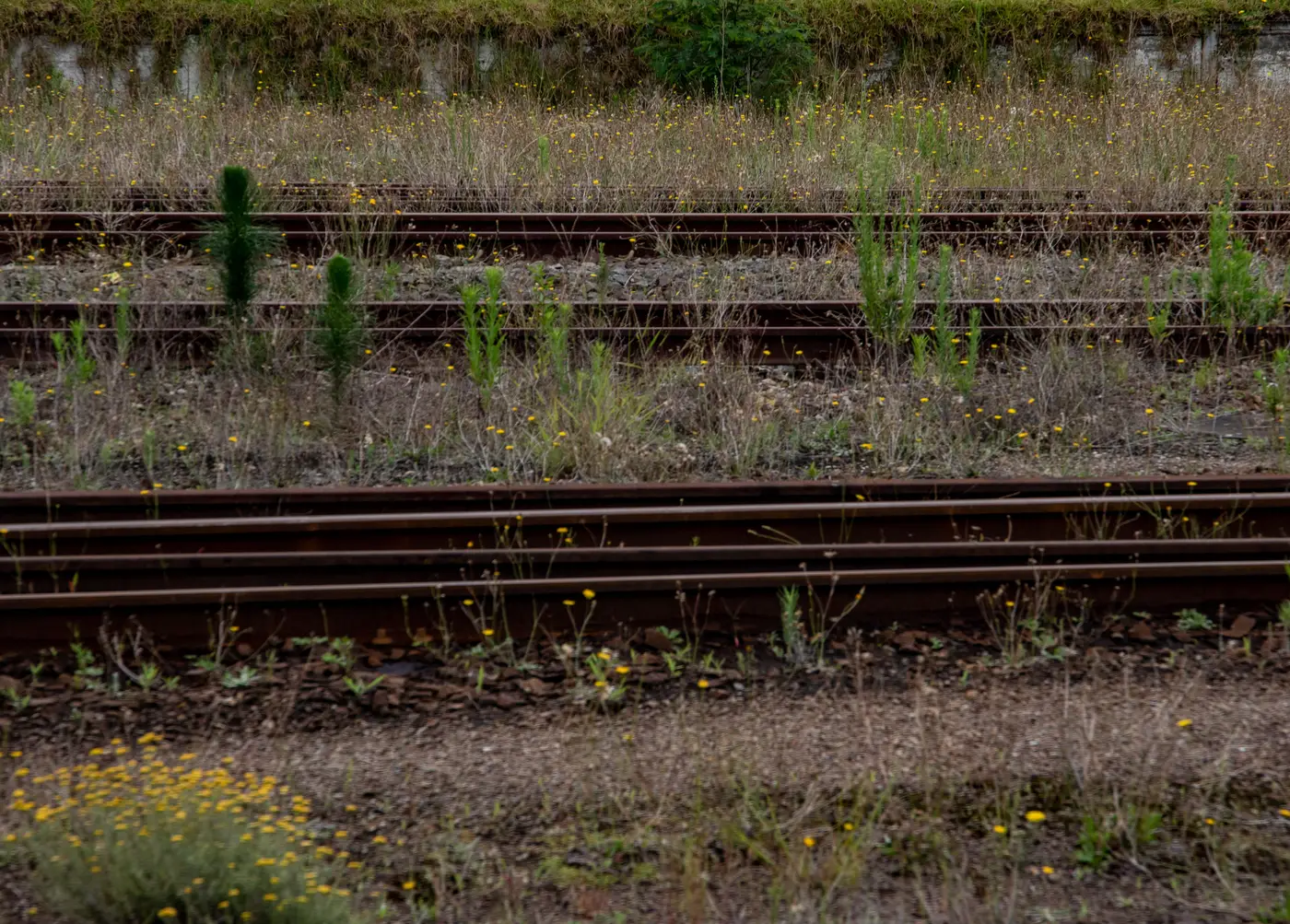
When a vegetation-management contract comes up for renewal, the method clause usually gets less attention than the price per hectare. That's a mistake. Coppicing and clear-felling solve different problems, and specifying the wrong one for a given stretch of boundary either costs money on cycles that didn't need it or leaves a sighting problem that comes straight back in eighteen months.
What coppicing buys you on a rail boundary
Coppicing cuts a tree back to a stool near ground level and lets it regrow from the same root system. For boundary vegetation that's mostly scrub species, ash, hazel, willow, this is often the cheaper long-term option because the root system is already established and regrowth is predictable. A contractor can plan a rotation, five years, seven years, whatever the growth rate in that cutting supports, and budget against it.
The trade-off is regrowth speed. A coppiced stool can throw up several metres of new growth in a single strong season, especially on willow or birch near a cutting with good drainage. If that stretch of boundary sits near a signal where sighting distance is already tight, a five-year coppice rotation might mean three of those years with adequate clearance and two with a problem nobody's scheduled to fix.
Where clear-felling is the only real option
Clear-felling removes the tree and the stump, usually with stump grinding or herbicide treatment to stop regrowth from the root. It costs more upfront, and it's the only method that resets a boundary rather than managing it on a cycle.
For sighting-distance locations, anywhere a driver needs a clear line to a signal at a set approach distance, clear-felling is usually the right call for anything standing inside the critical zone. Coppicing a tree that's currently just inside tolerance, when regrowth could put it back into the sighting triangle before the next inspection, is a bet the contract often can't afford to lose. Clear-felling the same tree removes that risk for good.
Species matters too. Self-seeded sycamore and some poplar varieties throw up multiple stems from a single coppiced stool, ending up denser than the original growth within a few seasons. Where that's happening near the running line, felling and treating the stump usually works out cheaper over a ten-year view than repeated coppice cuts that need chasing every time the brash regrows thicker.
Matching the method to what's growing where
None of this is a blanket rule you write into a contract once and forget. The right call depends on species, growth rate, how close the vegetation sits to the track or a signal, and whether that location has already had a near-miss on sighting distance. Slow-growing hawthorn scrub thirty metres from the nearest signal is a different decision than willow regrowth twelve metres off a running line with a known sighting issue.
That's the part that's hard to get right from a windscreen survey or last year's clearance notes, because growth doesn't wait for the next scheduled walk. Rail Vegetation Monitoring builds an annual table of where encroachment sits along the corridor, what type of growth it is, how far it is from the track, and which signals have reduced sighting distance because of it, so the method split in next year's contract can be written against what's actually there.
If that split still needs deciding for your corridor, that's exactly what the annual table is for.