Blog·
How to prioritise vegetation clearance sites when the backlog is bigger than the budget
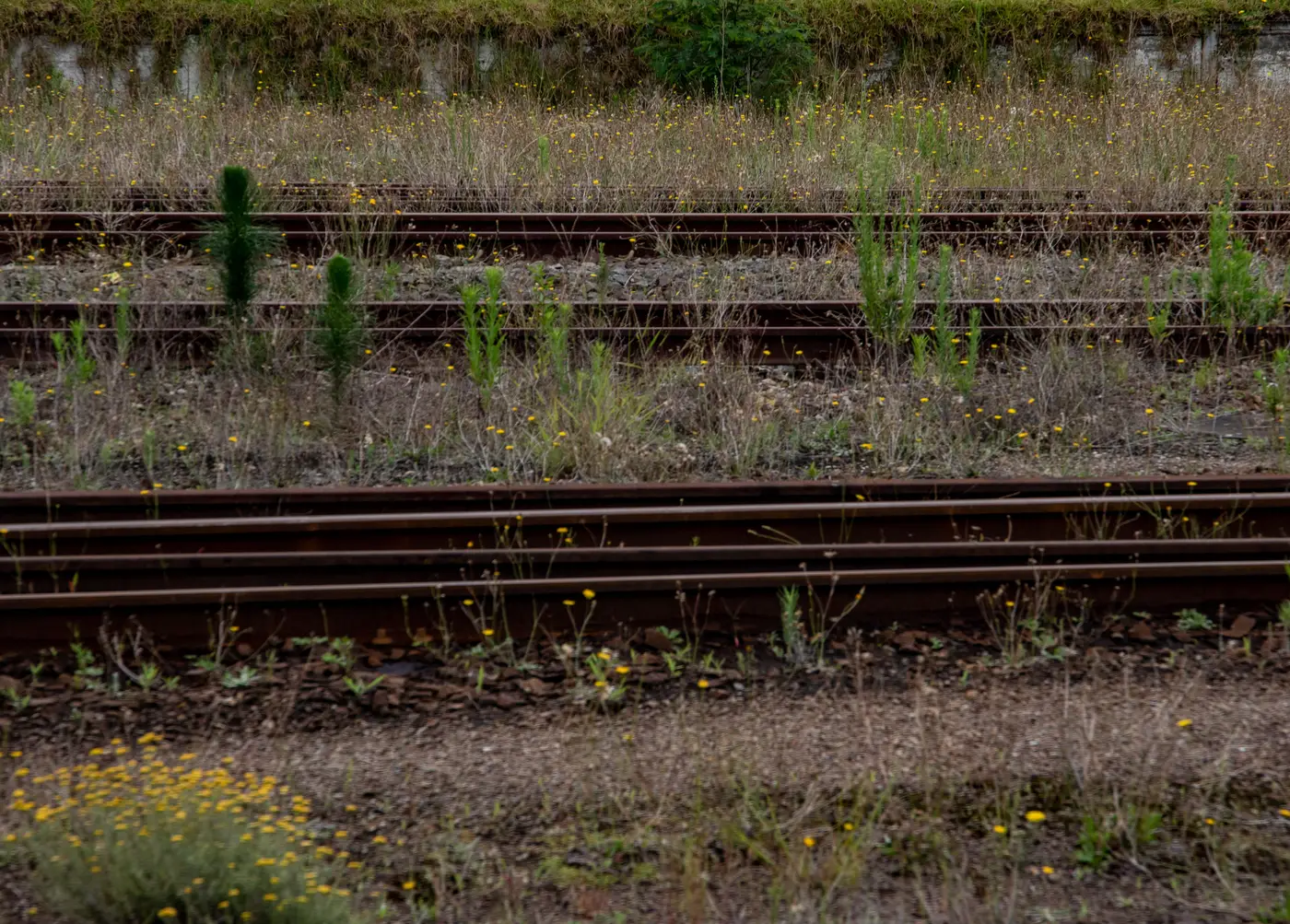
Every permanent way engineer carries the same spreadsheet: a clearance backlog that grew faster than the contractor hours allocated to work it down. Branch growth doesn't wait for the capital cycle, and most years the list of flagged sites is longer than what the budget can touch. Triage is the only real option here, and the job is making sure the sites left untouched are the ones that can actually wait a season.
Rank by consequence, not by list order
A backlog built from ad hoc reports tends to sort itself by when the entry was logged, not by what happens if it's ignored. A patrolman's note from March sits above a driver report from August just because it came first. That's the wrong axis.
The better sort is consequence: what fails first if this site doesn't get cleared this cycle. Encroachment within the structure gauge or close enough to affect vegetation fire risk against lineside assets sits above growth that's still a season or two from the track. A site near a level crossing or a point where sighting distance is already tight carries more weight than a stretch of open cutting with room to spare. None of this needs new instrumentation. It needs the backlog sorted by distance-to-track and by what's near each encroachment, not by the date it was reported.
Signal sighting distance moves a site to the top of the list
Encroachment that's merely close to the track is a maintenance item. Encroachment that's cutting into sighting distance at a signal is a safety item, and it should jump the queue regardless of when it was logged or how overgrown the rest of the site looks. A signal with reduced approach visibility doesn't get a "next cycle" option in most vegetation management plans, so the first filter on any backlog review should be: which of these sites touch a signal's sighting line, and by how much.
Most backlogs fall down here because the corridor-wide view needed to check sighting distance against every encroachment doesn't exist until someone walks it. A patrol covers ground; it doesn't necessarily cross-reference every bit of growth against every signal location on the route. An annual, corridor-wide pass that flags signals with reduced sighting distance alongside the general encroachment list turns that cross-reference into something you start the budget conversation with, rather than something you discover mid-cycle.
Hand the contractor a ranked list, not a raw one
Once sites are sorted by consequence and signals are flagged, the backlog stops being a wall of entries and becomes a work order. A vegetation management contractor can plan a season around a list that says: location, encroachment type, distance to track, signal sighting flag. They can sequence crews by corridor section instead of jumping between isolated sites, and they can tell you honestly what a partial-budget year buys, because the list is already ranked by what matters most.
That's the deliverable behind Rail Vegetation Monitoring: a corridor pass built from VHR RGB and NIR imagery, run once a year, that locates encroachment along the running line and checks sighting distance to each signal, then hands it over as a table you can hand straight to a contractor. It doesn't decide your budget for you, but it means the ranking argument starts from a full corridor picture instead of whatever patrols happened to catch that year.
If the backlog review this year is going to come down to which sites get cut and which get carried, start with a corridor-wide encroachment and sighting-distance table instead of last year's list in a different order.