Blog·
What is a vegetation management possession, and why does a clearance crew need one?
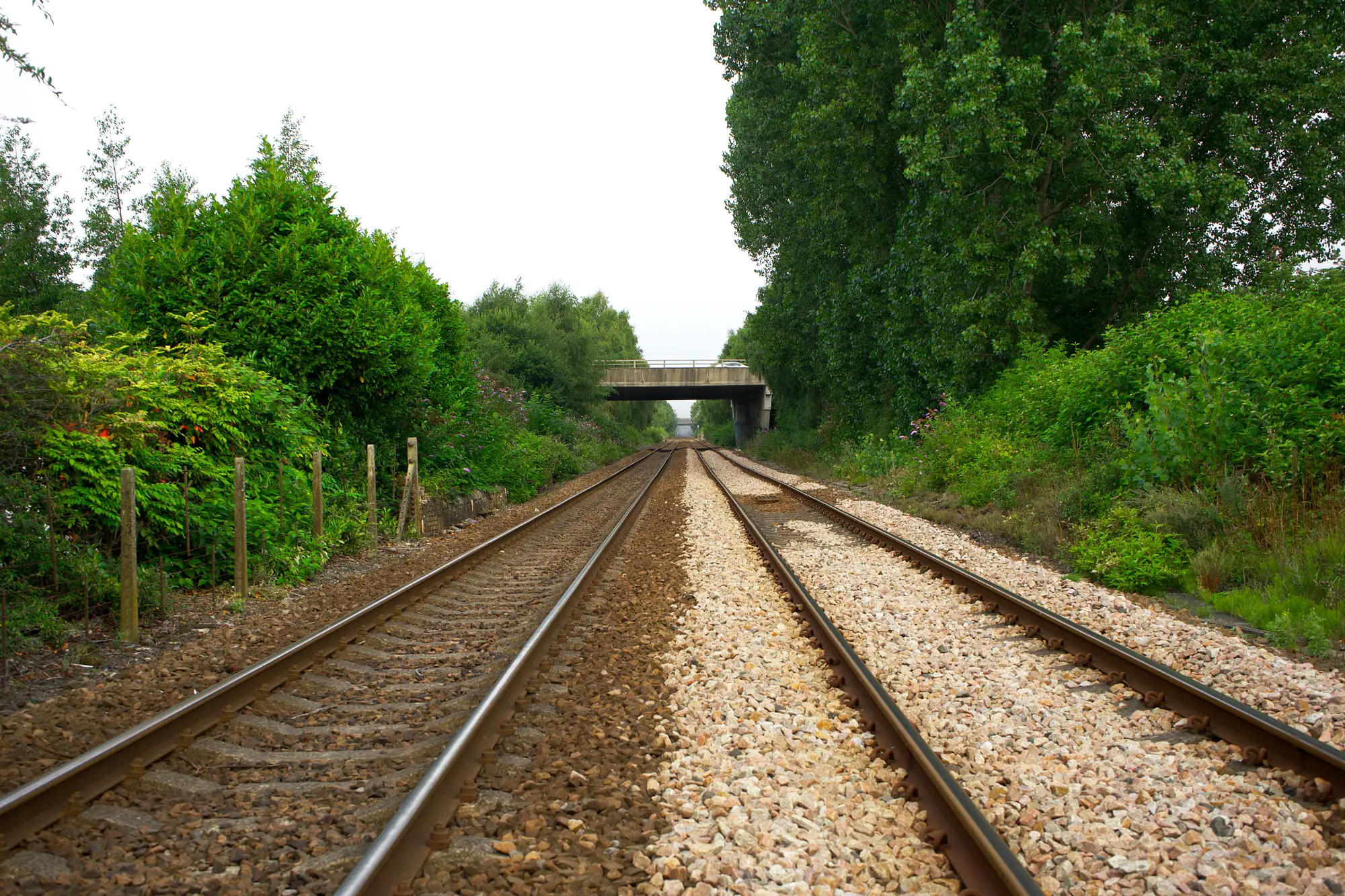
If you've ever watched a vegetation crew stand around a site compound at 6am waiting for a phone call, you've seen what happens when the possession isn't confirmed yet. A vegetation management possession is the formal arrangement that takes a section of the running line, or the line-side corridor next to it, out of normal traffic so a contractor can work safely within the track's exclusion zone. No possession, no cutting, no chainsaws, no cherry picker reaching into the six-foot. Booking one properly, with the right limits and the right lead time, is its own small project, and it's where most clearance schedules actually slip.
What the possession actually covers
A possession is a time-boxed, geographically defined block, usually a section between two mileposts or signal boxes, during which trains are stopped or slowed through that stretch and the infrastructure manager hands over control of the corridor to whoever's doing the work. For vegetation clearance specifically, that control matters because most of the job happens within touching distance of the track: felling leaners that have grown into the clearance envelope, cutting back regrowth along cess-side boundaries, dealing with anything tall enough to interfere with a signal sightline. The possession is what makes that work legal with trains stopped, rather than a convenience layered on top of work that could happen anyway.
Possessions get booked through the infrastructure manager's engineering access process, which in most networks runs on a planning horizon measured in weeks or months, not days. A vegetation contractor requests an engineering access window, specifies the limits of the site, states what plant and how many people will be on the ground, and the request goes into the same queue as track renewals, signalling work, and everything else competing for possession time. Vegetation clearance often loses that fight because it's treated as maintenance rather than safety-critical, which is part of why encroachment backlogs build up in the first place. Crews end up working short possessions, overnight blocks, or single-line working with a reduced exclusion zone, all of which slow the job down and push the cost per metre of corridor up.
Why clearance crews can't skip it
Some infrastructure managers get asked, usually by a landowner or a contractor trying to save a booking fee, whether vegetation work can be done without a possession at all, worked from outside the boundary fence with long-reach equipment, for instance. Sometimes that's genuinely possible, where the growth is far enough back from the track. But the moment a crew needs to get within the defined clearance distance, whether that's for felling, stump treatment, or getting a chipper close enough to be useful, they're inside the zone a possession exists to protect. A competent contractor will refuse to work there without one, and a track access team will stop the job the moment they spot it, because working inside the clearance envelope without a possession is a safety breach, full stop.
The other reason crews need the possession booked well ahead rather than scrambled together is that the booking itself forces someone to specify exactly where the work is and why. That's useful discipline. A possession request that says "cut back vegetation, mileposts 42 to 47" is vague enough to get challenged or delayed. One that says "clear three encroachment points within 2m of the running line, plus restore sighting distance to signal RT412, between mileposts 42 and 47" moves through access planning faster, because the access planner can see exactly what crew size and duration the job needs.
Getting the location list ready before you book
For most infrastructure managers, the real bottleneck sits a step earlier than the possession paperwork: knowing where to ask for access before the contractor's annual slot comes round. Walking the whole corridor on foot to find every encroachment point and every signal with reduced sighting distance eats the weeks you'd rather spend booking and scheduling the work itself. Rail Vegetation Monitoring builds that location list from annual corridor imagery, so when access planning opens, you've already got the mileposts, the encroachment type, and the flagged signals in hand rather than starting the walk from scratch.
If your next engineering access window is coming up and you're still working out where to send the crew, that's exactly the gap this is built to close.