Blog·
Field notes: the signal that lost its sighting distance in one growing season
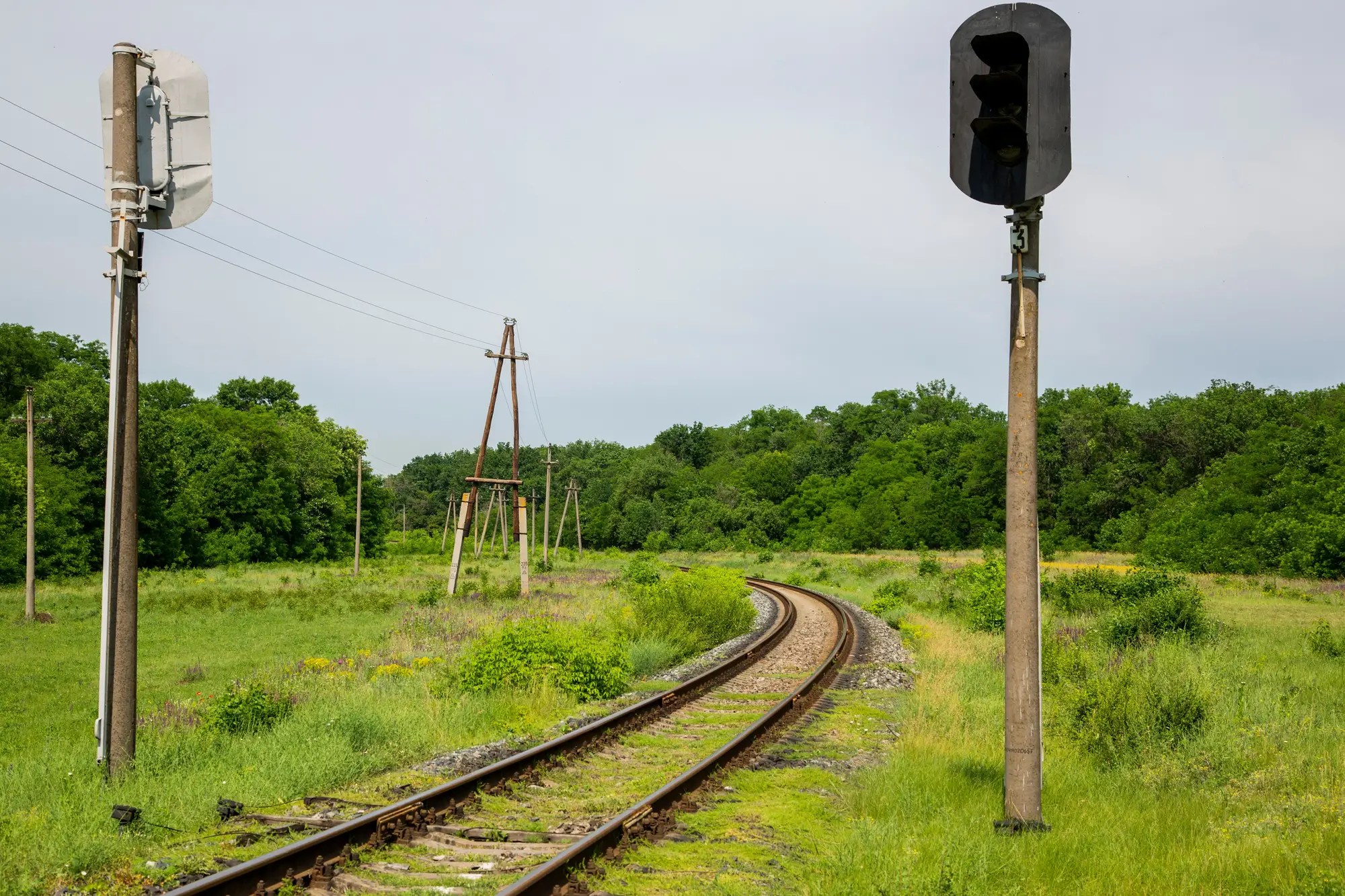
There's a particular kind of signal that catches people out. Not the ones buried in a cutting with trees already hard against the fence line, those get flagged every time. It's the clean one. The distant signal on a left-hand curve that passed its sighting check in March with ten clear car-lengths to spare, and by August has a hawthorn hedge and a stand of ash regrowth doing their best to erase it.
Ash is the usual culprit on lines that still coppice. Cut a stump back in winter and by July it can throw up shoots a metre and a half tall, sometimes more if the soil's wet and the summer's been kind to it. Bramble does the same trick sideways rather than up, three or four metres of new cane across a cess in a season, and it doesn't need permission from anyone. Birch seedlings are slower individually but they arrive in numbers, and a patch that was bare ballast shoulder two years ago can be a thicket by the third.
None of this is news to anyone who's walked a line in June. What's easy to lose track of is the arithmetic. A sighting distance is a line of sight from a point on the track to a signal, and anything that breaks that line counts, regardless of whether it sits right under the post or well off to the side on the outside of a curve. A sapling fifteen metres away can do more damage to a driver's view than a taller tree standing next to the signal itself. That's the part that doesn't show up on a casual walk-past. You have to check the geometry, not just eyeball whether the post looks clear.
And the timing works against the person doing the checking. Most line-side vegetation surveys still happen in winter, when the crews are available, the undergrowth has died back, and everyone can see the ballast shoulder properly. Counting stumps and planning clearance work is straightforward with the undergrowth down. None of that tells you whether a signal will still be visible once the leaves are back in July, because the growth that will block it hasn't happened yet. The gap between a bare-branch winter walk and a full-leaf summer approach is exactly where this kind of encroachment hides, and it stays hidden for an entire season before anyone's back out there to notice.
By the time it surfaces, it's usually a driver report, or a near-miss log, or someone doing a sighting trial after a timetable change who happens to notice the signal's gone fuzzy at the braking point. All of that is after the fact. The growth that did it was there from May onward.
An annual pass across the whole corridor, timed to the growing season rather than the maintenance calendar, is the thing that catches this before someone finds out the hard way: which signals have lost their margin while nobody was looking. Rail Vegetation Monitoring is built around exactly that, one look a year, across the running line and every signal on it, with the encroaching growth and the affected sightlines put on the same table, ready to hand to whoever's doing the clearance.
Worth adding one to your watch list this winter before the ash puts another season of growth into it.