Blog·
Field notes: the gang that used to walk every mile of track each spring
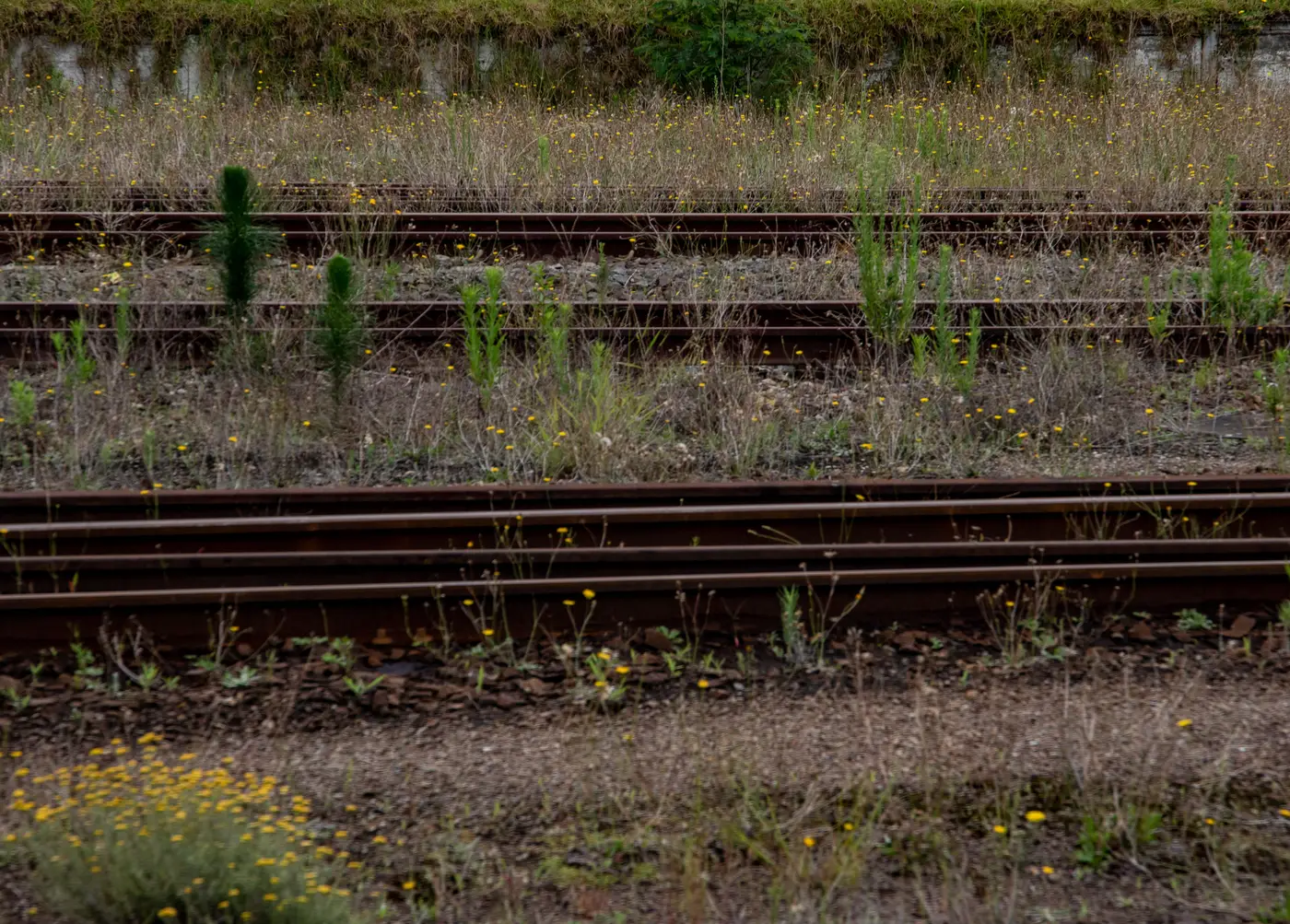
There used to be a rhythm to it. Somewhere around late March, once the frost had let go of the ballast but before the first real flush of growth, a gang would set out with billhooks and a marked-up section map and walk the line. Not drive past it, not ride a trolley through it twice a year. Walk it. Every mile, every cutting, every signal post, on foot, at the pace a person moves when they're looking at what's in front of them rather than glancing at it from a cab window.
The old permanent way gangs did this as a matter of course, because the track was theirs in a way that's harder to claim now that maintenance is split across contracts and corridors are shared across operators. A ganger knew which embankment grew bramble fast and which stayed bare, which cutting held willow that needed cutting back every other year, and which signal had a stand of sycamore behind it that was fine in February and a problem by June. That knowledge lived in people, not in a register. When someone retired, a good chunk of it left with them.
What the walking patrol gave you, underneath the tradition of it, was an annual, full-length check at exactly the time of year that mattered. Spring growth moves fast. A sapling that's below sighting-distance threshold in March can be into it by the time trains are running in full summer timetable, and the old gangs timed their walk to catch that window before it closed. The method relied on somebody's boots, somebody's eyes, and a notebook, not on any instrument or a formal measure of accuracy. But it covered the whole route, every year, without fail, because that was the job.
That's largely gone, for reasons anyone running vegetation clearance on a corridor today already knows without being told. Gangs are smaller. Walking a full division takes days a contractor doesn't have budgeted. Vegetation management now runs more on cyclical clearance contracts and reactive call-outs than on a fixed annual inspection, which means the full-corridor check that used to happen automatically now has to be deliberately scheduled, and on a lot of routes it isn't. The encroachment still happens on the same spring schedule it always did. What's missing is the walk that used to find it before it became a sighting-distance problem at a signal, rather than an overgrown fence line somebody notices from a passing train.
This gap matters less for the romance of a gang out on the ballast with a billhook than for the one thing that method reliably did: a full-length, same-time-every-year look at the whole corridor, not just the sections flagged for cyclical cutting. A sighting-distance problem at a signal doesn't announce itself until someone's standing at the right spot looking at the right angle, and if nobody walks that stretch this year, it waits for next year's inspection, or for an incident report.
Rail Vegetation Monitoring was built around that specific gap: an annual, corridor-length pass that catches encroachment near the running line and checks sighting distance to every signal, delivered as a table rather than a stack of photos someone has to sit down and interpret. The knowledge a ganger carried in their head stays something only a person can hold. What this replaces is the part of the job that depended on someone having time to walk the whole mile this spring, not just the bits that were due a cut.
If your corridor hasn't had a proper full-length look this year, that's worth sorting out before summer growth closes the window.