Blog·
Field notes: the hawthorn hedge nobody budgeted for until it reached the wires
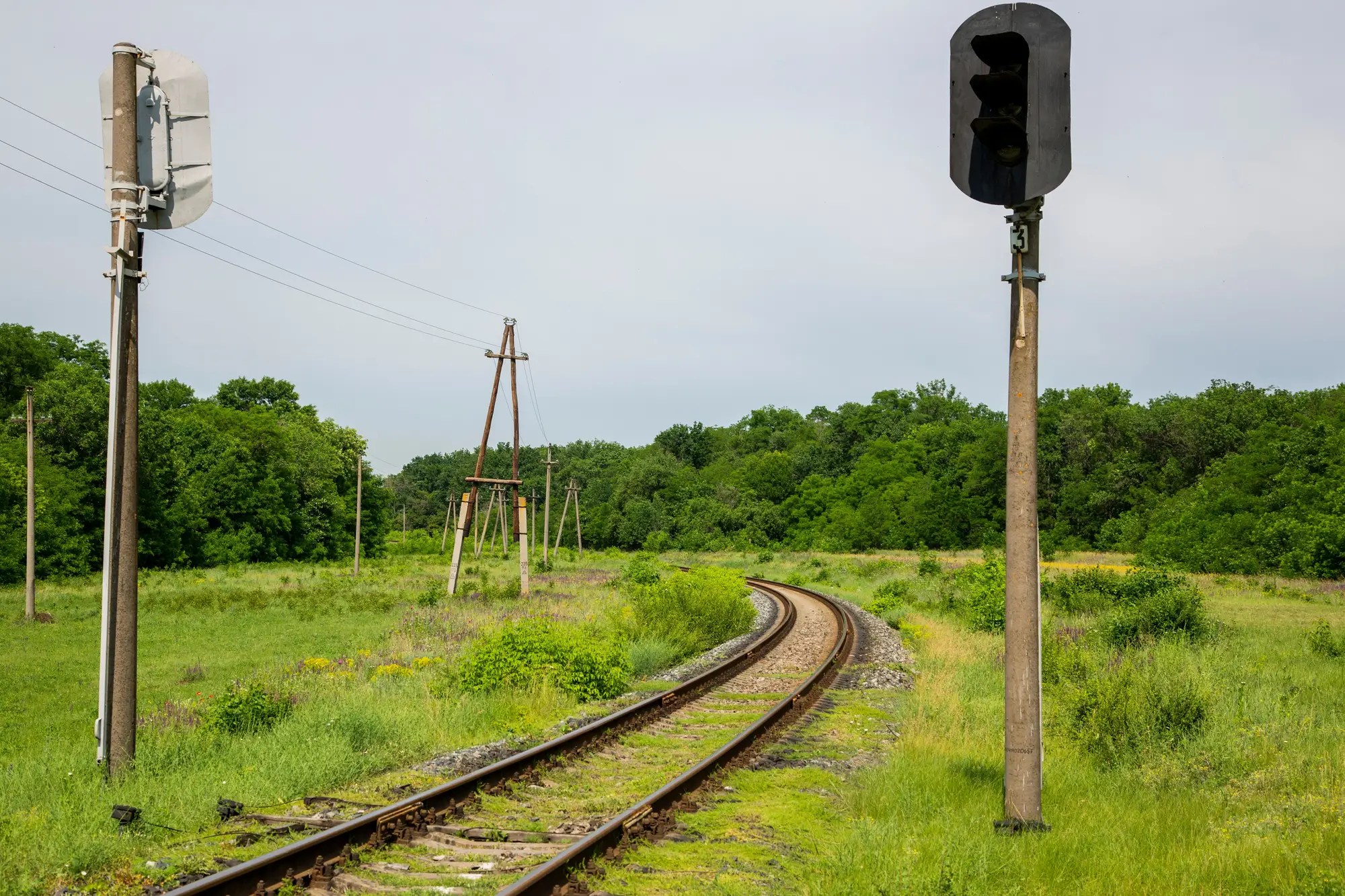
Every patroller has one of these on their patch. A hedge along the boundary fence that's been there since before anyone currently working the route was hired. Hawthorn, usually, sometimes blackthorn mixed in, planted decades ago as a stock-proof field boundary by a farmer who had no opinion whatsoever about train drivers' sightlines. It sat there for years, unremarkable. Then one inspection it wasn't.
The thing about hawthorn is it doesn't grow fast in any single year. Twenty, thirty centimetres a season on a mature hedge, less in a dry one. That's below the threshold that trips anyone's attention in a single walkout. Nobody flags a hedge for growing thirty centimetres.
The problem is hawthorn doesn't reset. It keeps that thirty centimetres and adds the next year's on top, and the year after that, for a decade, while whoever's doing the annual walk is reasonably focused on the obvious stuff: fallen limbs, ivy-choked stems, anything leaning toward the OLE after a storm. A hedge minding its own business at the boundary fence doesn't read as a hazard. It reads as scenery.
Until the year it doesn't. Somewhere around year eight or nine of that creep, the top of the hedge crosses the sightline to a signal it was never anywhere near when the S&C layout went in, or it finally reaches the headroom that used to be a comfortable margin above the cess. By then it's not a trim job. It's a contractor with a flail and a few weeks' lead time you didn't have, because the thing that triggered the finding was a sighting-distance check, not a routine cut, and now it's a compliance issue with a date attached to it.
What makes hawthorn particularly good at this trick is how little it signals intent. Fast growers like buddleia or sycamore saplings throw up a metre of growth somewhere visible and get cut back almost on reflex. Hawthorn just thickens and rises, unremarkable at every single inspection, until it's suddenly the reason a signal has six seconds less sighting time than the diagram assumes. Ask anyone who's had to explain that gap to a signalling engineer. The hedge was never the emergency. The gap between inspections was.
This is the actual argument for annual coverage over the whole corridor rather than spot checks on known trouble spots. A boundary hedge a hundred metres from the nearest signal doesn't look like a priority when you're walking a line with a dozen genuinely urgent encroachments closer to the running line. It only becomes a priority in hindsight, and hindsight doesn't help the vegetation-management contractor who now has to mobilise outside the planned cutting season. The hedges that eventually matter are rarely the ones anybody was watching. They're the ones nobody had a reason to watch yet.
Flying over the same corridor every year with RGB and near-infrared imagery doesn't change hawthorn's growth habit. It still won't throw up anything dramatic in any single pass. What changes is that the thirty centimetres gets logged against that stretch of boundary this year, and again next year, and the distance to the nearest signal gets checked against each pass rather than against whoever's memory of "it's always been fine there." Rail Vegetation Monitoring builds exactly that annual record, a location, an encroachment type, a distance to track, and a flag against any signal where sighting distance has narrowed, so the hedge that's been climbing for a decade gets caught on year three instead of year nine.
Nobody budgets for a hedge. Budget for the record that tells you when it stopped being a hedge and started being a sightline problem.